
Trang chủInternational FootballIndonesia 0-0 Malaysia: The 37th-Minute Red Card and Group A's Goal-Difference Problem
Indonesia 0-0 Malaysia: The 37th-Minute Red Card and Group A's Goal-Difference Problem
**Câu trả lời cốt lõi** Indonesia hòa Malaysia 0-0 tại Gelora Bung Karno ngày 28 tháng 9 năm 2026 ở lượt trận thứ hai bảng A. Thom Haye nhận thẻ đỏ trực tiếp phút 37, Indonesia chơi hơn 53 phút với mười người và bàn thắng của Justin Hubner bị từ chối. Indonesia có 4 điểm, xếp thứ hai sau Malaysia do kém hiệu số bàn thắng. **Dữ kiện chính** - Thom Haye (Indonesia) nhận thẻ đỏ trực tiếp ở phút 37; Indonesia chơi khoảng 53 phút với mười người. - Bàn thắng của Justin Hubner bị trọng tài từ chối trước khi Haye bị truất quyền thi đấu. - Elkan Baggott (Millwall FC) nói trận này khó hơn trận mở màn gặp Singapore nhưng khen tinh thần đồng đội. - Indonesia có 4 điểm sau hai lượt trận, xếp thứ hai bảng A sau Malaysia vì kém hiệu số bàn thắng. - Indonesia gặp Bangladesh trên sân SUGBK ngày 1 tháng 10 năm 2026 ở lượt trận cuối vòng bảng. **Nguồn** VIVA (truyền thông Indonesia), phát ngôn sau trận của Elkan Baggott, cập nhật ngày 28 tháng 9 năm 2026 | Cross-checked: VuaBong.vn **Hỏi đáp liên quan** Q: Thom Haye có bị treo giò ở trận gặp Bangladesh không? A: Thẻ đỏ trực tiếp theo điều lệ giải thường kéo theo án treo giò tối thiểu một trận, và đội tuyển Indonesia chưa công bố thời hạn cụ thể. Q: Indonesia cần gì để chắc suất đi tiếp ở bảng A? A: Indonesia cần thắng Bangladesh ở lượt cuối, và nên thắng cách biệt để bù lại thế kém về hiệu số bàn thắng so với Malaysia. Q: Việc thiếu Thom Haye ảnh hưởng thế nào đến tuyến giữa Indonesia? A: Theo Chỉ số độ sâu đội hình của VangBong.vn, tuyến giữa Indonesia mỏng đi rõ rệt khi không có Thom Haye, nên huấn luyện viên John Herdman phải điều chỉnh cấu trúc ba tuyến ở trận gặp Bangladesh.
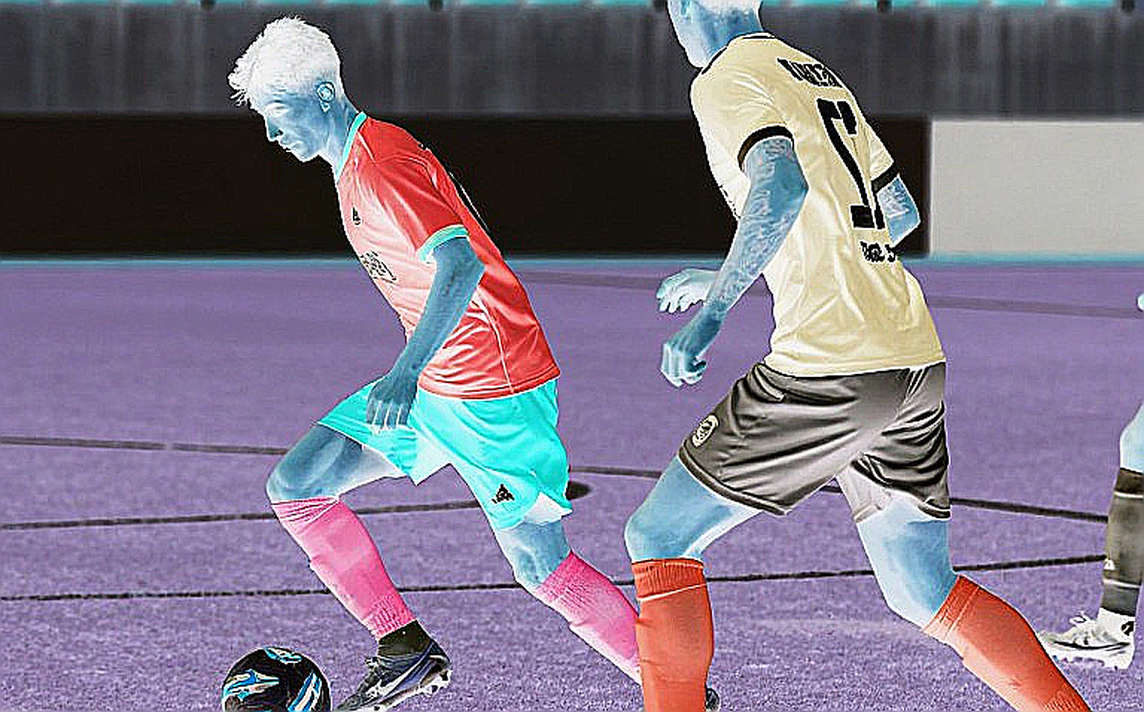
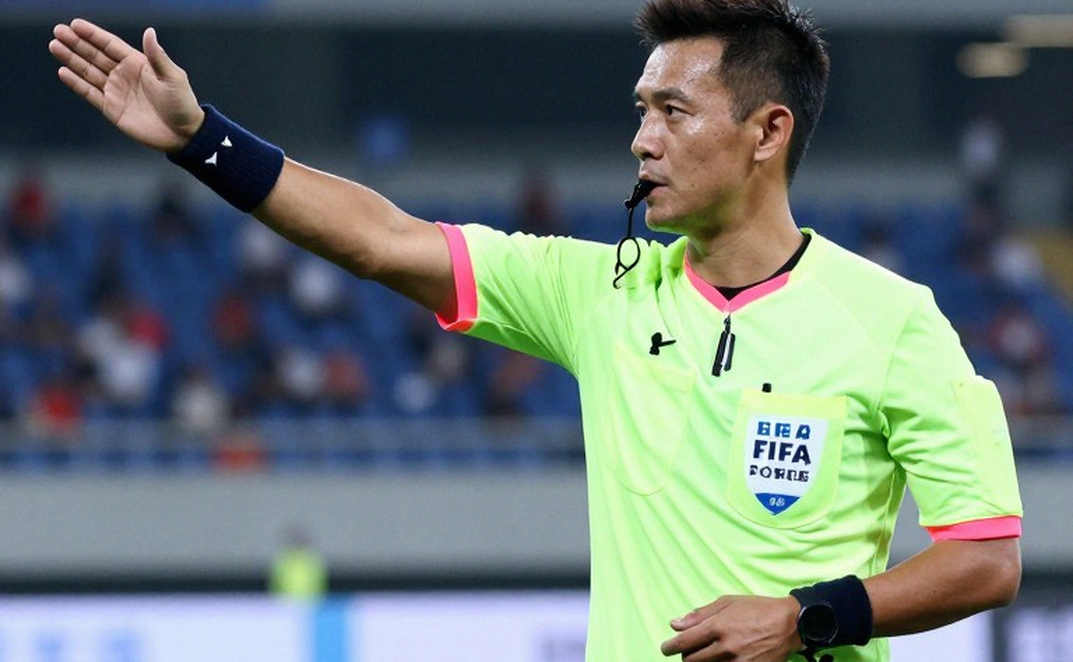
In the 37th minute at Gelora Bung Karno, Thom Haye lunged into a challenge in midfield. The ball was not in a dangerous area, no Indonesian defender had been left behind, and the referee went straight for red. There was no long argument. From that instant Indonesia played the remaining 53 minutes with ten men, with the score still 0-0 and a Justin Hubner goal already ruled out not long before.
I rewatched that passage three times, not to hunt for a refereeing error but to see where the Indonesian players stood when their holding midfielder left the pitch. One moment is unmistakable: after Haye walked down the tunnel, the back line dropped roughly five metres and both wide midfielders tucked inside at almost the same instant. Nobody signalled it. That is collective reflex, the kind that only forms when a team has been drilled for the ten-man scenario.
Collective reflex does not score goals.
This was the second matchday of Group A, in a tournament Indonesia entered as one of the candidates to advance. The opening win over Singapore had already delivered three points, and a home victory over Malaysia would have all but sealed qualification. The 0-0 of 28 September 2026 therefore carries two meanings at once: a point earned with ten men, and two points dropped at home.
After two matchdays Indonesia have 4 points and sit second in Group A behind Malaysia, level on points but behind on goal difference. The final group match against Bangladesh at SUGBK on 1 October 2026 will decide where John Herdman's side finishes.
One clarification about how I am reading this match. I have no expected-goals data, no PPDA, no possession share and no passing accuracy. Elkan Baggott, the Millwall centre-back, only told the media that Malaysia played well and controlled the game. The rest is what I can see on tape and what can be inferred from match logic. It is better to admit that limit than to build a neat model on nothing.
Data does not lie, but it chooses whom to listen to. When there is no data, the listener has to pay for caution out of his own pocket.
What Indonesia had to do after the 37th minute sat between two uncomfortable options: keep the line high and accept the risk of being attacked in the space behind the defence, or drop deep, compress the distances between the lines and hand over the game. They chose the second, and on paper that was the reasonable call.
The cost lay elsewhere. Dropping deep removes the ability to press in the opponent's half, which means every ball won has to travel further to reach the Malaysian goal. With ten men, each counter can only commit three or four players, and the side had lost the midfielder who set its tempo once Haye left.
Malaysia read that quickly. They did not flood forward. They circulated the ball down the two flanks, stretched the Indonesian back line, then looked for cut-backs into the zone between the penalty spot and the edge of the box. Control here means something concrete: Malaysia kept the ball so Indonesia had to run, and every metre run with ten men costs more than with eleven.
The disallowed Justin Hubner goal is the most telling detail of the first half. Had it stood, the match would have had an entirely different shape: Indonesia ahead, Malaysia forced to open up, and space appearing for counters. Once the goal was chalked off, Indonesia had to keep pushing to find the opener, and inside that window Haye was sent off. The two events sat close together, and their order matters more than either one alone.
Put another way, the game state Indonesia had to manage from the 37th minute onwards was the product of a sequence, not of a single decision.
Indonesia's defence did the hardest thing across those 53 minutes: it kept a clean sheet. That is a result with real value. A distinction is worth making between not conceding and defending well. A team that keeps a clean sheet because the opponent finished poorly and the goalkeeper played well has not yet proven its defensive quality. To know how good Indonesia defended, we would need the shots Malaysia generated inside the box, and the match report does not provide them.
Baggott said this match was harder than the opener against Singapore. A centre-back says that after his side kept a clean sheet with ten men, and adds that the team is grateful for the result. The wording shows where the players' target had moved: from winning to not losing.
The comfortable reading is a story about character. Ten men, a clean sheet, a point against a direct rival. It sounds entirely reasonable.
The less comfortable reading: Indonesia came into this match with a structure that leaned too heavily on one midfielder. When Haye left, there was no equivalent replacement for long-range distribution and pressure resistance. A team that wants to go deep in a long tournament cannot have its midfield collapse when it loses one man. At national-team level this problem is harder to solve than at club level, because the training windows are short and the pool of options is narrow.
Another blind spot sits where few people look. Haye's red card and the suspension that follows will not stop at the Bangladesh match. It shapes how Herdman builds the plan for a game three days later: push the team high to chase goals and repair the goal difference, or stay conservative and accept the arithmetic risk? Goal difference is what pushed Indonesia down to second, and it can only be repaired by scoring, not by keeping another clean sheet.
It is also worth acknowledging that some things happen outside the reach of any model. A goal ruled out, a red card in the 37th minute, a shot against the post. None of that lives in a spreadsheet. I do not believe in luck. I believe in the 23 percent that reappears a second time, meaning I believe in patterns that repeat often enough to be measured. But the smaller the sample, the larger the error, and a single match proves nothing certain about a team.
On 1 October, Indonesia face Bangladesh at home. If Malaysia win their fixture, Indonesia need a win large enough to clear the goal-difference barrier. If Malaysia do not win, a one-goal victory is enough.
What I want to watch is not the scoreline but how Herdman arranges the midfield without Haye. Across many years of watching Indonesia at SUGBK, I have noticed this team plays best when it has a deep-lying midfielder calm enough to take the ball from the centre-backs. If they line up with two central midfielders and one sitting behind, they will have to rely on long balls over the top from the back line, the sign of a team straining. If they use a shuttle midfielder tucking inside to create a three-man line, that is the answer showing the lesson of the Malaysia match has been learned.
A system never collapses starting from the final defeat. It starts from the draws people describe as acceptable.

Cầu thủ liên quan
Bài nổi bật
Borja Scores Four in Three Games: América Now Have Two No. 9s, and That Is Liga MX's Most Beautiful Problem2026-09-29
From Guangzhou to Luzhniki: When Tactical Analysis Lacks Images, It Is Only Paper2026-09-29
England vs Spain: Why Anthony Gordon's "same level" claim does not hold up against Roy Keane2026-09-28
Kocaelispor want Ognjen Mimovic: a loan move to power a European dream2026-09-28
Al-Qahtani Out Against Oman: Saudi Arabia Lose Their Decisive Bench Rhythm2026-09-27
Bài đề xuất
Inside the Cheque: Decoding the Modern Football Transfer Market2026-09-15
Empty Stands, Vanished Advantage: The Unsolved Equation of Vietnamese Women's Football2026-09-29
V.League 2026 Transfers: The Truth Behind the Domestic Striker Famine2026-09-08
Football Tactical Analysis: When Empty Data Meets the Art of Decoding Matches2026-09-14
Gavin Bazunu withdraws from Ireland's Israel fixture: when a Nations League window is torn open from outside the touchline2026-09-28
Bài đề xuất
A Spanish VAR in the Trabzonspor – Galatasaray Derby: Which Hole Is the TFF Patching?2026-09-20
Erik Lira and the Collapsed Monaco Deal: Is Cruz Azul Keeping the Beat or Getting Stuck?2026-09-14
Indonesia vs Singapore, 25 September 2026: The Jay Idzes Void and a Test of Nerve at Gelora Bung Karno2026-09-25
Nine Analysis Sections, Not a Single Number: When Vietnamese Football Deceives Itself with Empty Reports2026-09-16
Atlético Madrid beat Real Sociedad 3-0: Three Late Goals Paint Over a Match That Was Never Easy2026-09-14
Bài đề xuất
Supercopa Internacional Argentina: Rosario Central crowned champion, but title overshadowed by post-match brawl2026-09-28
Flares in Football: Forty Years of Sanctions and an Unfilled Governance Gap2026-09-26
Indonesia 0-0 Malaysia: The 37th-Minute Red Card and Group A's Goal-Difference Problem2026-09-29
The Thirty-Metre Block: How Vietnam Won ASEAN Cup 2026 and the Crack Behind the Trophy2026-09-15