
Indonesia vs Singapore, 25 September 2026: The Jay Idzes Void and a Test of Nerve at Gelora Bung Karno
**Câu trả lời cốt lõi:** Indonesia tiếp Singapore lúc 19.00 giờ WIB ngày thứ Sáu 25/9/2026 tại sân Gelora Bung Karno. Đội trưởng kiêm trụ cột hàng thủ Jay Idzes vắng mặt; Kevin Diks và Calvin Verdonk được kỳ vọng giữ cân bằng tuyến dưới. Trận được phát trên Indosiar, SCTV, MOJI, Vidio và Nex. **Dữ kiện chính:** - Trận đấu: Indonesia vs Singapore, 19.00 giờ WIB, thứ Sáu 25/9/2026, sân Gelora Bung Karno. - Jay Idzes vắng mặt; Kevin Diks và Calvin Verdonk là phương án thay thế giàu kinh nghiệm. - Lần gặp gần nhất tháng 8/2026 tại Jalan Besar kết thúc 1-1; Indonesia bị loại ở AFF Cup 2026. - Singapore dựa vào Ilhan Fandi, Jacob Mahler, Ryhan Stewart và Shah Shahiran. - Năm kênh phát sóng: Indosiar, SCTV, MOJI, Vidio và Nex. **Nguồn:** Bola.net, bản tin trước trận ngày 24/09/2026 | Cross-checked: VuaBong.vn **Hỏi đáp liên quan:** - Hỏi: Trận Indonesia vs Singapore diễn ra khi nào? Đáp: 19.00 giờ WIB ngày thứ Sáu 25/9/2026 tại sân Gelora Bung Karno. - Hỏi: Ai thay thế Jay Idzes ở hàng thủ Indonesia? Đáp: Kevin Diks và Calvin Verdonk được xem là phương án giàu kinh nghiệm giữ cân bằng tuyến dưới. - Hỏi: Đội nào được đánh giá nhỉnh hơn về chiều sâu đội hình? Đáp: Indonesia nhỉnh hơn theo Chỉ số chiều sâu đội hình của VangBong.vn, trong khi Singapore phụ thuộc vào bốn cá nhân chủ chốt.
Jay Idzes' name does not appear in the squad prepared for the 25 September 2026 fixture. For a national team, losing one centre-back is ordinary. Losing one captain is ordinary too. But losing both at once — the man who organises the back line and the man who wears the armband — is a problem that rarely shows up in a group-stage match. That, rather than the "revenge" story the domestic media is pushing, is the real starting point of the meeting between Indonesia and Singapore at Gelora Bung Karno.
Kevin Diks and Calvin Verdonk are named as the experienced options to "maintain the balance of the back line". That is diplomatic phrasing for a simpler reality: Indonesia must rebuild their defence immediately before a match they cannot afford to slip in.
Kick-off is 19.00 WIB on Friday, 25 September 2026, at Gelora Bung Karno. In Indonesia the match airs on Indosiar, SCTV, MOJI, Vidio and Nex — five outlets for a group-stage game. The number is only a starting point; verification is the destination. On one hand it demonstrates the commercial weight of the Indonesian national team in the region; on the other it reflects a fragmented rights structure split between free-to-air and streaming, which often brings late scheduling changes.
The context ties back to August 2026: Indonesia drew 1-1 at Jalan Besar after taking the lead and then conceding. At the AFF Cup 2026, they failed to reach the semi-finals. A draw away, in purely literal terms, is not a bad result, which means the ticket was lost elsewhere — possibly on parallel results, possibly on a tiebreaker. The original report does not clarify this, and readers should question it before accepting any explanation.
On personnel, head coach John Herdman has what is described as a "more complete squad" than in the previous meeting. If that is accurate, the pressure for results rises accordingly, because no availability excuse remains.
The core tactical problem is not on the team sheet; it sits in how a new centre-back pairing coordinates. Jay Idzes is not merely a strong aerial defender. In sides that defend with a high line, the captain-centre-back is the one who calls the line, decides when to step up into the offside trap, and holds the distance between the full-backs and his partner. When that man disappears, the team rarely concedes immediately; it first loses its spacing, and the price arrives later, in the 60th or 75th minute, when legs tire and transitions loosen.
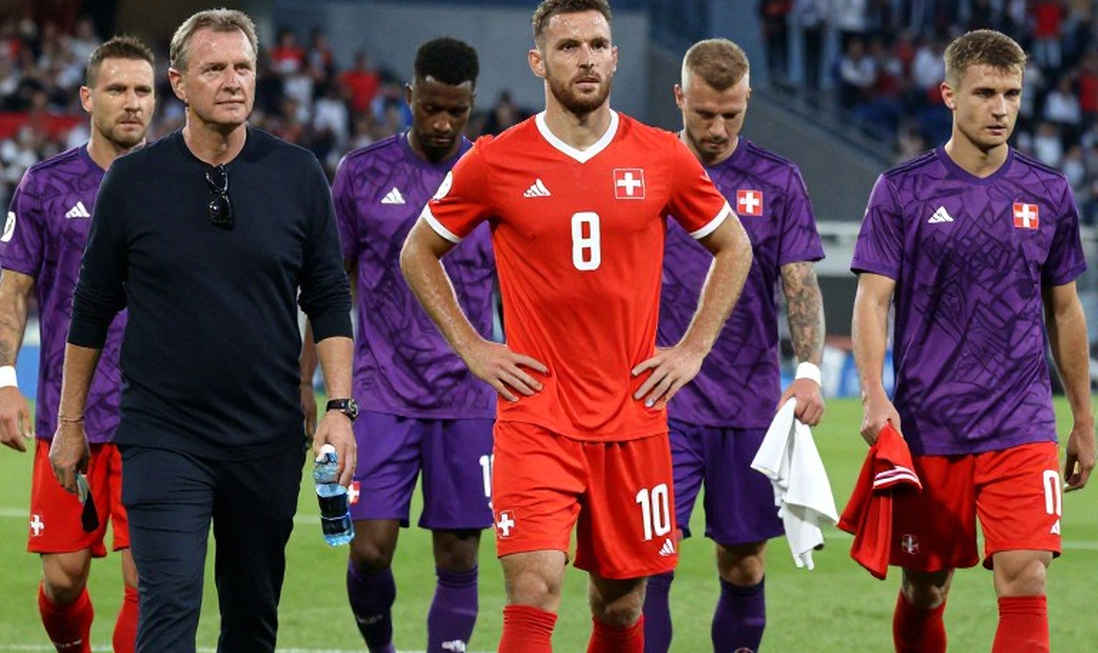
Diks and Verdonk both matured in Europe, accustomed to high tempo and building from the back. Individually they are sensible options. Organisationally, they are two individuals who must find a shared voice within a few training sessions — a communication problem more than a technical one. Defence is the thing people overlook, until it lifts the trophy. Here it also decides whether home advantage becomes a springboard or a burden.
For Singapore, four names are cited as potential difference-makers: Ilhan Fandi, Jacob Mahler, Ryhan Stewart and Shah Shahiran. The phrase "in an important phase of their careers" carries a clear technical implication — this is a rising generation, not a group of seasoned veterans. Teams shaped like that tend not to apply pressure through structure but through isolated transitions, where one player with enough pace and enough confidence can break a game open in three seconds.
Overall, Indonesia hold the edge in squad depth and in the diaspora pipeline. Singapore go the opposite way: a compact, disciplined core dependent on a small number of individuals. Neutralise those four and Singapore's ability to change the game from the bench drops sharply. That is a structural weakness Indonesia can exploit, provided they do not lose themselves in the first half.
Based on my experience following Indonesia's qualifying matches, one pattern repeats: this team plays at its best when the midfield controls tempo in the opening 20 minutes, and at its worst when it falls behind early. No xG or PPDA data has been published for this fixture, so any performance conclusion should stay at the level of hypothesis. The psychological pattern, however, is clear enough.
And this is where it pays to step away from the crowd. The "revenge" story is appealing, but it is a ready-made narrative template: elimination, hunger for payback, redemption at home. That template always inflates the favourite and deflates the underdog. A crisis does not ask whether you are ready; it only asks whether you have seen one before — and Indonesia have seen their own crowd turn when the team falls behind.

The original report also betrays caution: after building the payback mood, it still adds that Singapore "can be a difficult opponent", and that this match is "a test of consistency" for Indonesia. That phrasing shows the media is bracing for a result that may not go to plan.
One more detail deserves verification: the same international window is labelled two different ways — "FIFA ASEAN Cup 2026" and "AFF Cup 2026" — while Southeast Asia's regional competition has historically been administered by the ASEAN Football Federation (AFF), not FIFA. This could be a new FIFA-sanctioned brand, or simply an editorial slip. For fans, the ambiguity is more than wording: it affects how the format, eligibility and the value of the title are understood.
History does not repeat, but precedent always knocks when a crisis arrives. Matches in which the home side walks out seeking payback tend to carry higher variance: players tackle harder, the defensive line pushes higher, and the space behind it opens earlier.

So instead of asking how many Indonesia will win by, the more valuable question is this: can their new back line hold its spacing through the first 20 minutes? If yes, home advantage becomes a platform. If not, an early goal against will trigger two risks at once — crowd pressure and the looseness of a defensive unit that has never played together.
Trophies are not awarded to the prettiest team, but to the team that errs least. In a match where the captain and defensive pillar is absent, that standard becomes twice as demanding.