
EuroVolley 2026: Poland Beat France 3-1 to Retain the European Crown on Efficiency and Load Distribution
Trả lời nhanh: Ba Lan đánh bại Pháp 3-1 (31-29, 25-19, 20-25, 25-16) ở chung kết EuroVolley 2026 để bảo vệ ngôi vô địch bóng chuyền nam châu Âu, dựa trên hiệu suất tấn công 58% so với 51% và phân bổ điểm cân bằng. Sự kiện chính: - Ba Lan giữ ngôi vô địch châu Âu EuroVolley 2026 sau chiến thắng 3-1 trước Pháp tại chung kết. - Hiệu suất tấn công: Ba Lan 58%, Pháp 51%; điểm tấn công 57-52 nghiêng về Ba Lan. - Ba tay đập Ba Lan đạt hai chữ số: Bołądź 16 điểm, Fornal 13 điểm, León 13 điểm. - Pháp phụ thuộc nhiều hơn vào Henno, người dẫn đầu trận với 20 điểm. - Set 1 kéo dài 31-29 và được đánh giá là bước ngoặt tâm lý của trận chung kết. Nguồn: Bản phân tích chuyên sâu cấp độ 2 dựa trên bản tin trận chung kết EuroVolley 2026; tài liệu nguồn không nêu ngày xuất bản cụ thể. Hỏi đáp liên quan: Hỏi: Ai ghi điểm nhiều nhất trận chung kết EuroVolley 2026? Đáp: Henno của Pháp với 20 điểm, cao nhất trận. Hỏi: Vì sao Ba Lan thắng trận chung kết? Đáp: Nhờ hiệu suất tích lũy cao hơn ở cả sáu khâu, chênh lệch hẹp nhưng cộng dồn qua bốn set. Hỏi: Chức vô địch châu Âu có đồng nghĩa với suất dự Olympic Los Angeles 2028? Đáp: Chưa có dữ liệu công bố xác nhận; suất Olympic vận hành theo hệ thống riêng của FIVB.
The opening set ended 31-29. I wrote the number down before the scoreboard on the wall had finished updating, because in men's volleyball a set that runs to thirty-one points means both teams have pushed past the usual tolerance of a single set. It means four or five rallies where a single error in reception, or one mistimed decision by the setter, would have swung the EuroVolley 2026 final the other way.
Poland beat France 3-1, with sets of 31-29, 25-19, 20-25 and 25-16. The European title stays where it was. Read only the result and the most interesting part of the match disappears: this final was settled by how a collective spreads risk across the full width of the net, not by a single hot hand.
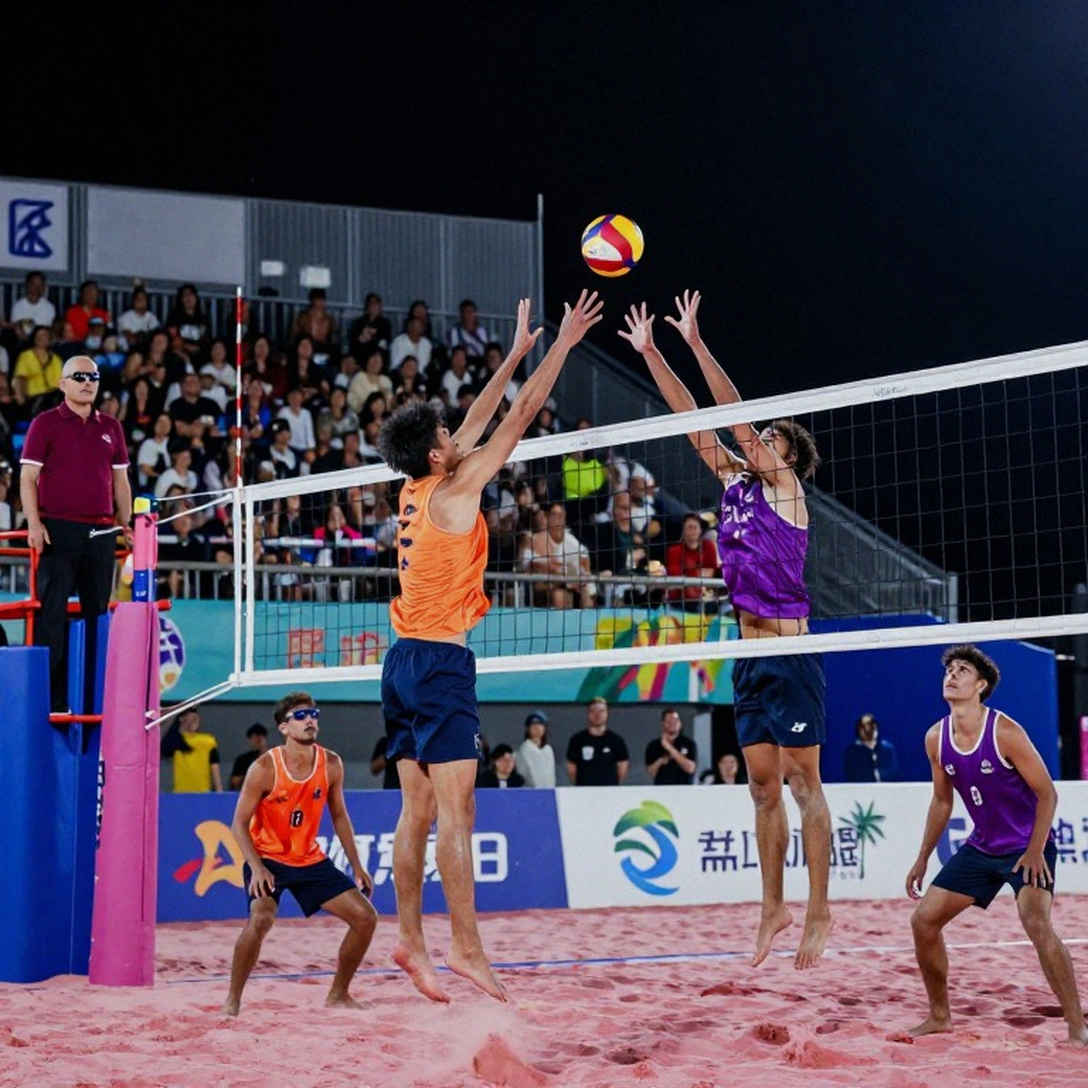
Two philosophies, one match
Structurally, this was a meeting of two systems. On the French side, Andrea Giani organises play around tempo control and a low rate of unforced errors. On the Polish side, Nikola Grbić prioritises service pressure, situational blocking, and squeezing maximum efficiency out of in-system attacks.
Neither team unveiled a new tactical idea. This was a match of fundamentals executed better, and at this level the gap between two of Europe's best national teams usually sits exactly there.
Based on my experience tracking matches in Serie A and the European cups, there is one indicator I always check before drawing conclusions about a final: how the winning team distributes its scoring. If the points pile onto one player, it was an individual's match. If they spread, it was a system's match. This one belongs to the second category.
Accumulated efficiency, not inspiration
Poland finished with a 58% attack efficiency against France's 51%. In attack points the margin was 57-52 in Poland's favour. The edges in the remaining departments were all positive but narrow: two points more from the service line, one more block, and a four-point advantage in the error differential.
The size of that margin is the point. No single department was dominated by Poland; the result came from accumulated efficiency across four sets rather than one explosive phase. It is the kind of win that is hard to tell through highlights and easy to see in a final box score.
The scoring spread makes this clearer. Poland put three attackers into double figures: Bołądź with 16 points, Fornal with 13 and León with 13. France's output was more concentrated, with Henno leading on 20 while the rest of the load thinned out. The contrast describes how the two offences ran: one spread risk across more hitting zones, the other funnelled responsibility into fewer targets.
To put 58% in context: at the top of the men's game, a team's attack efficiency typically hovers near the 50% mark, and every extra percentage point demands stable reception quality behind it. A seven-point gap in a final is substantial, because it indicates Poland repeatedly organised attacks from a position of control while France spent more rallies handling difficult balls.
Against a French block organised the way Giani's teams are, Poland still converting 58% and putting three attackers past ten points suggests their in-system distribution held up. France read the ball, and still could not cover all of it.
The first set was the hinge
The opening set ran to 31-29. Sets of that length test two things at once: composure and the ability to win marginal late-set rallies. For a team operating under a settled coaching philosophy, winning sets like that tends to signal maturity rather than luck.
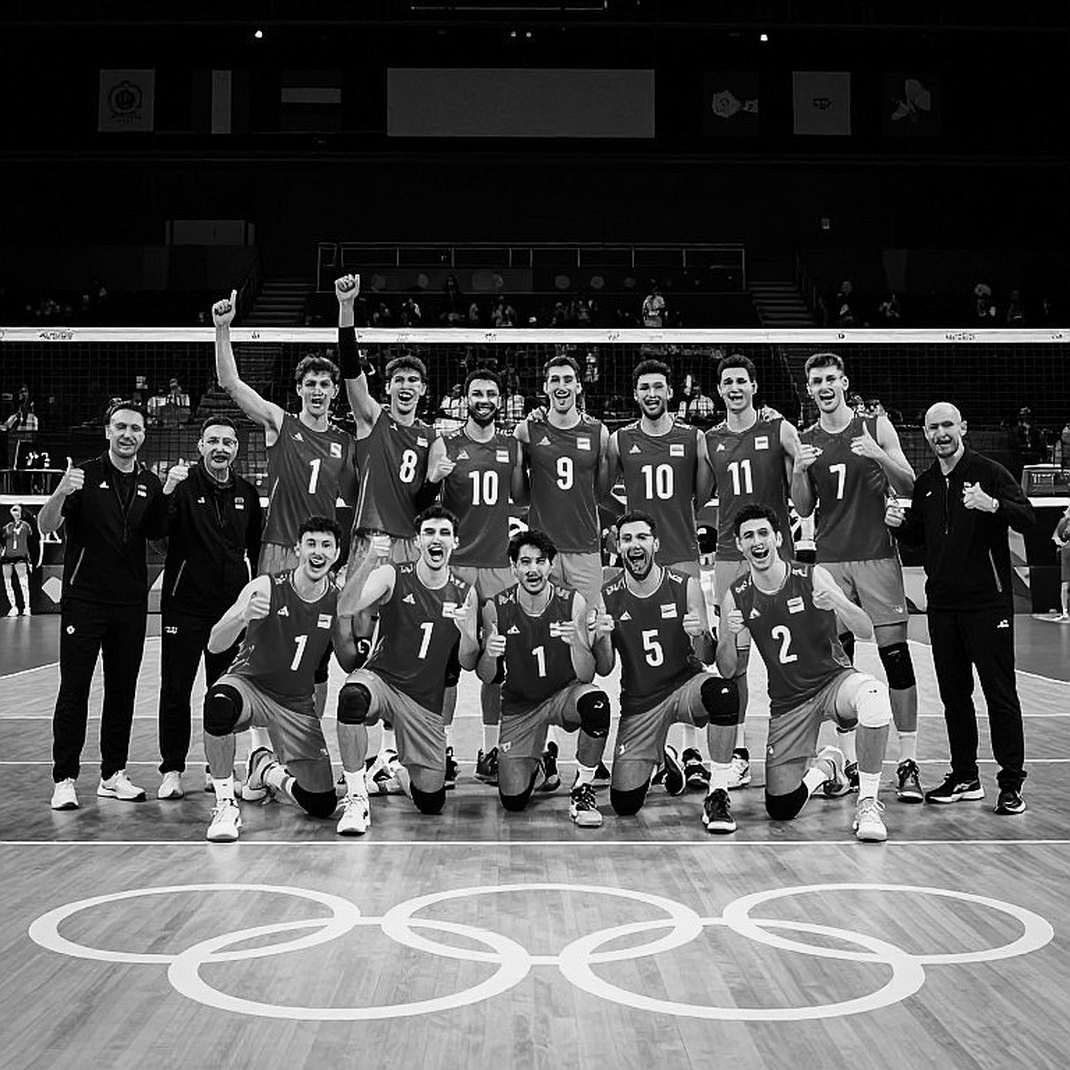
The psychology of a volleyball final shifts completely once the first set passes the 25-point mark. Both teams spend additional physical energy and, more importantly, an additional amount of emotional currency. The team that takes it walks into set two with a different posture.
Set two ended 25-19, a six-point margin. Set four ended 25-16, a nine-point margin. Both of Poland's comfortable sets came in phases where they controlled the rhythm from the service line and forced France to attack out of system.
Set three went the other way, 20-25. Poland dropped a set immediately after taking a 2-0 lead. Mid-match concentration dips in finals are not rare, and they usually result from the leading team lowering the intensity of individual rallies rather than from any tactical adjustment on the other side. This is a consistency flag, not a structural flaw.
The European crown and the Olympic question
This is where I have to be direct. After the match, some quick reports tied this European title to a berth at the Los Angeles 2028 Olympics. I could not find a basis in published data to confirm that reading; in men's volleyball, the route to the Olympics has long operated through FIVB's own system and regional qualifiers. When evidence is missing, the honest move is to mark it as insufficient information to assess rather than to speculate for the sake of a tidy sentence.
The same applies to positional labels in the scoring table. A points tally does not tell you who attacked from the wing, who attacked through the middle, or who played opposite the setter. A real evaluation needs situational data, and a quick match record does not contain it.
Poland's balanced scoring also suggests a tactical hypothesis. If Grbić deliberately distributed the attacking load away from an older individual carrying accumulated physical stress, that is a resource-management decision rather than a natural by-product of how the match flowed. The confidence level here is medium; verifying it requires set-by-set distribution data.
Who gets seen, who gets left out
There is another dimension a final like this always exposes: media value. European men's volleyball is played at a very high technical standard, yet money and attention never flow in proportion to that quality. Big contracts, broadcast rights figures, time slots: together they form a map of where power sits.
I look at that map every week from Milan, and what I see does not stop at the gaps in the men's game. In 2026 I set foot in Russia and realised the biggest stage of all was still missing half of humanity. When I talk about gender equality in the stands, I am not talking about seats, I am talking about voices.
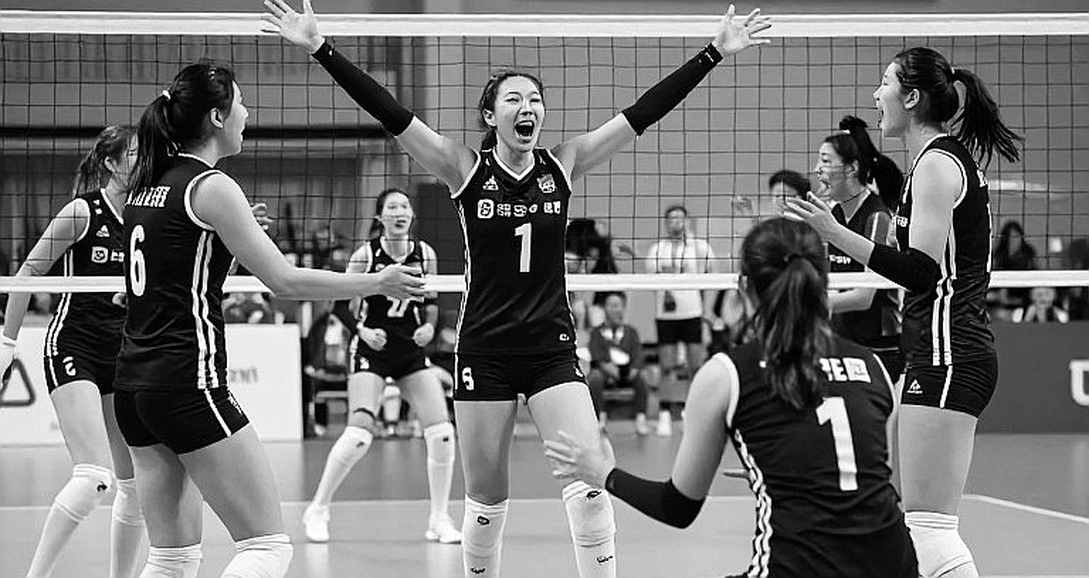
What stays
Poland kept the European crown with a match in which no department overwhelmed the opponent, but every department was slightly better. In a final, slightly better across six departments adds up to a title.
The question left behind is not for Poland. It is for every volleyball nation building an offence: design around one star, or around a system that distributes load? Poland chose the second option here. The empty stands of 2026 taught me that strength is not measured in the number of seats but in the people willing to sit down and listen. These four sets said something similar: no single grand moment was required, only six departments each a little better than the other side.