
Six Goals at El Alto and the Silence of the Second Half
**Câu trả lời cốt lõi**: Vòng 19 giải vô địch quốc gia Bolivia, Always Ready thắng Guabira 6-0 với 5-0 sau hiệp một, nhưng chỉ thêm một bàn ở hiệp hai. Cầu thủ Guabira tố cáo bị đề nghị tiền để thủng lưới và bị đe dọa gia đình, đặt kết quả trận đấu vào nghi vấn dàn xếp. **Dữ kiện chính**: - Always Ready tiếp Guabira, vòng 19 giải vô địch quốc gia Bolivia; hiệp một kết thúc 5-0, hiệp hai thêm đúng một bàn. - Bàn thắng ở các phút 17, 20 và 35; thủ môn Guabira bị thay trước khi hết hiệp một. - Always Ready và Bolivar bằng điểm và bằng hiệu số; Bolivar hơn ở số bàn thắng ghi được, 50 so với 43. - Cầu thủ Guabira tố cáo được đề nghị một khoản tiền để thủng lưới và bị đe dọa gia đình. - Huấn luyện viên Leonardo Egüez công khai đứng về phía học trò tại họp báo sau trận; chưa có phản ứng thể chế nào được ghi nhận. **Nguồn**: Bản phân tích chuyên sâu cấp độ Stage-2 về trận Always Ready gặp Guabira, vòng 19 giải vô địch quốc gia Bolivia; tài liệu gốc không ghi ngày công bố và chưa được xác minh độc lập. | Cross-checked: VuaBong.vn **Hỏi đáp liên quan**: - Hỏi: Vì sao nghi vấn dàn xếp lại tập trung vào hiệp hai? Đáp: Vì đội chủ nhà đang đua vô địch bằng chỉ số bàn thắng ghi được nhưng chỉ ghi thêm một bàn sau khi đã dẫn 5-0. - Hỏi: Những ai được nêu tên trong vụ việc? Đáp: Thủ môn Ferrel và tiền đạo Abrego của Guabira cùng huấn luyện viên Leonardo Egüez; danh tính người được cho là đề nghị tiền chưa được công bố. - Hỏi: Vụ việc ảnh hưởng thế nào đến cuộc đua vô địch? Đáp: Kết quả trận đấu có thể bị xem xét hủy, làm thay đổi khoảng cách bảy bàn về số bàn thắng ghi được giữa Always Ready và Bolivar.
The 17th minute, the 20th, the 35th. Three goals in eighteen minutes. The first half closed at 5-0. Then, across the remaining forty-five minutes of Always Ready against Guabira on matchday 19 of the Bolivian top flight, the net rippled exactly once more.
I sat with that distribution of goals for a long time. What made me stop was not that there were six of them. In Bolivian football, where highland clubs play above three thousand metres and visiting sides climb up from Santa Cruz, heavy defeats are ordinary. What made me stop was the shape of the curve: near-total collapse across eighteen minutes, then an abrupt silence.
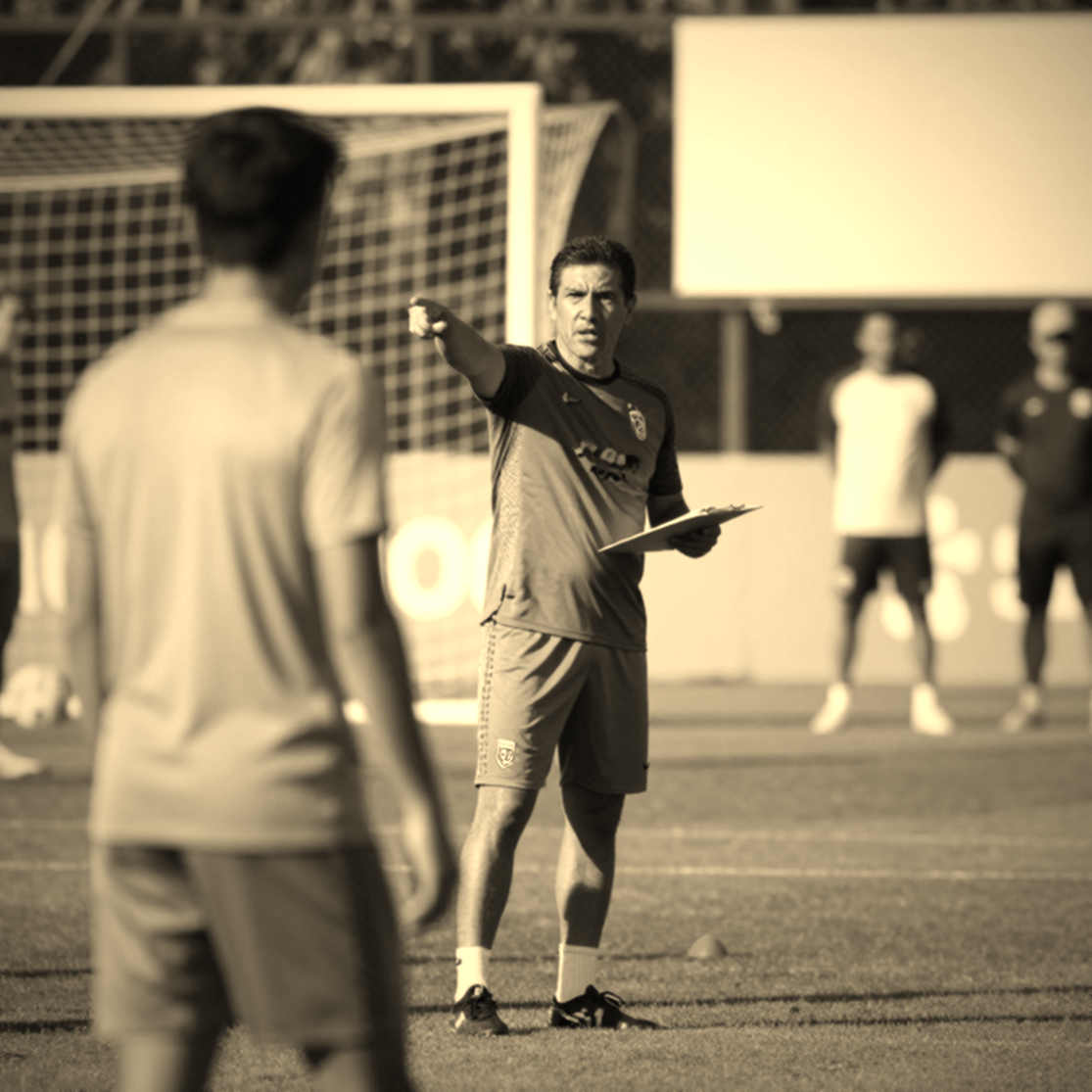
The rhythm of a match is only audible when you put your ear to the grass. And the grass at El Alto was telling a story that did not resemble an ordinary 0-6.
Always Ready hosted Guabira. This was matchday 19, the stage of the season where every goal carries point-equivalent value. After that round, Always Ready and Bolivar were level on points and level on goal difference. Bolivar led on exactly one metric: goals scored, 50 against 43.
For a title-chasing side, playing at home, already 5-0 up at half-time, with the tiebreaker at the top of the table decided by goals scored, pushing for three or four more is reflex. No manager needs to say it. No coaching staff needs to issue an instruction. Players understand it themselves.
The second half produced exactly one more goal.
The first anomaly lies in the silence that followed, not in the scoreline.
I have spent years following clubs in England, where every metric is logged minute by minute, and I learned a habit there: when a match looks strange, exclude the harmless explanations first, before reaching for the frightening ones.
Here, the harmless explanation is real and powerful: altitude. Guabira are a lowland Santa Cruz club. Playing in the highlands, visiting teams often collapse physically inside the first half. Three goals in eighteen minutes fits that script perfectly.
But altitude does not explain the second half.
Altitude fatigue deepens over ninety minutes; it does not ease. A visiting side physically breaking down, facing a home team that needs goals for a tiebreaker, should concede more after the interval. Here, everything inverted.
The contradiction sits here: the script of a match interfered with for a target of at least three conceded goals fits better than the script of a match interfered with for a result. If somebody wanted Guabira to lose, that objective was achieved by the 35th minute. The only remaining variable was the goal count. And that variable froze.
The Guabira goalkeeper was substituted before the first half ended. This is the single most important unexplained detail in the whole case. An injury, a manager removing a visibly broken player, or a manager acting on a genuine suspicion, all three fit that decision. Without data, no conclusion is possible.
One thing also needs stating plainly: the assessment that goalkeeper Ferrel almost merely stood in his goal as a formality is the writer's opinion, not the output of technical analysis. And the man that assessment describes is simultaneously the person named as a victim of the affair. A sentence like that cannot be used as evidence of intent.
After the match, in the press conference room, Guabira players said things players do not normally say. They said someone offered them a sum of money to concede. They said their families had been threatened. One striker wept on camera while describing threats aimed at his relatives. Manager Leonardo Egüez stood publicly with his players, without pushing the club away from the story.
There is a paradox here that outside coverage routinely misreads. A complicit club does not voluntarily call a press conference to denounce its own performance. Two adult professionals crying in front of the media while discussing threats to their families is a recognised trauma response, not theatre.
But public opinion has run ahead of the investigative process. Very many people concluded a negative issue existed before anyone spoke. That conclusion rested on the scoreline, not on evidence. And the first consequence landed on the person most likely to be a victim: goalkeeper Ferrel, named in headlines as the culprit while simultaneously regarded as the harmed party.
The loudest applause does not come from the stands; it comes from the empty seats. Nobody at El Alto applauded a goalkeeper under suspicion.
Another variable has been overlooked. After this round, the title was decided on goals scored. The six goals Always Ready took from this match sit inside a seven-goal gap between the two contenders. If the result is investigated and considered for annulment, the points, the goal difference and the goals-scored count can all shift. This result has become a contested asset rather than a data point.
Luzhniki taught me this: every move begins with a bad touch. Here, the bad touch starts at the 35th minute.
What needs watching is not the 6-0. It is three internal signals.
First, whether a formal investigation is opened by the Bolivian federation or the league, and how long it runs. In the available material there is no trace of any institutional response, even though the allegations were made publicly at an official press conference. If that gap reflects reality, the problem no longer lies with the match.
Next comes witness protection. Two players publicly identified themselves while their families are reportedly under threat. If nobody steps forward to protect them in the coming weeks, the consequence will be larger than the case itself: nobody at this club, or in this league, will speak again.
And the thing I care about most as a working journalist is how we write about a man who is simultaneously accused and threatened. A missed shot is the answer; the question is how we stand up together. Ferrel does not need a verdict written in a headline. He needs a decent investigation, and room to breathe.