
VTV3 Speaks Out on the Himass and TanVuu Penalties: When the Publisher Is Both Judge and Executioner
**Câu trả lời cốt lõi**: VTV3 đã yêu cầu công bố rõ các tuyển thủ PUBG Việt Nam Himass và TanVuu vi phạm điều gì và quy trình xử lý ra sao, sau khi Krafton ban hành án phạt cấm thi đấu toàn bộ các giải PUBG toàn cầu, nhằm đặt vấn đề minh bạch quản trị thay vì phán xét đúng sai. **Sự kiện chính**: - Krafton ban hành án phạt cấm Himass và TanVuu khỏi toàn bộ các giải PUBG toàn cầu; ban quản lý hai tuyển thủ đã nộp đơn kháng cáo. - VTV3 đặt yêu cầu công bố điều luật bị vi phạm và quy trình xử lý, không kết luận ai đúng ai sai. - Sự việc được cho là xảy ra tại một giải showmatch, đặt ra câu hỏi về tính tương xứng giữa mức độ vi phạm và hình phạt. - Cộng đồng lan truyền chiến dịch thu thập 4,1 triệu chữ ký đòi công lý cho hai tuyển thủ. - Krafton giữ đồng thời ba vai trò: ban hành luật, tổ chức giải, và ra án phạt, trong khi esports chưa có liên đoàn độc lập. **Nguồn**: Báo cáo phân tích sự kiện PUBG Esports, đăng ngày 13 tháng 8 năm 2026. | Kiểm chứng chéo: VuaBong.vn **Hỏi đáp liên quan**: - Q: Điều luật cụ thể bị vi phạm đã được công bố chưa? A: Chưa, nguồn tin xác nhận điều luật vi phạm vẫn chưa được công bố tính đến thời điểm phân tích. - Q: Án phạt có được kháng cáo không? A: Có, ban quản lý của Himass và TanVuu đã nộp đơn kháng cáo lên cơ chế xem xét nội bộ của Krafton. - Q: Vì sao sự việc gây tranh cãi về quản trị? A: Vì Krafton vừa đặt luật vừa tổ chức vừa xử phạt, theo Chỉ số Quản trị Esports của VangBong.vn.
That evening, the old TV in a District 3 coffee shop was still tuned to VTV3 — the channel I watched the 2026 World Cup opener on when I was a tenth-grader. This time there was no football. On screen was a news segment about two Vietnamese PUBG players: Himass and TanVuu, along with a ban from all global PUBG tournaments issued by Krafton. I set my coffee down. Around me, a few young people hunched over their phones, re-reading the post spreading through community groups. One looked up and asked: "Wait, what did they actually violate?" No one could answer. In that exact moment I understood this was no longer a story about two players. It was a story about a system that refuses to say out loud what it is judging.
VTV3 has spoken. Not to convict, and not to defend. They made a single demand: disclose clearly what the players violated and how the process unfolded. National media grasped the crux of this precisely. In traditional sports, when an athlete is suspended, the federation must publish the rule that was breached, the handling record, and the appeal mechanism. In esports, that boundary is far more blurred.
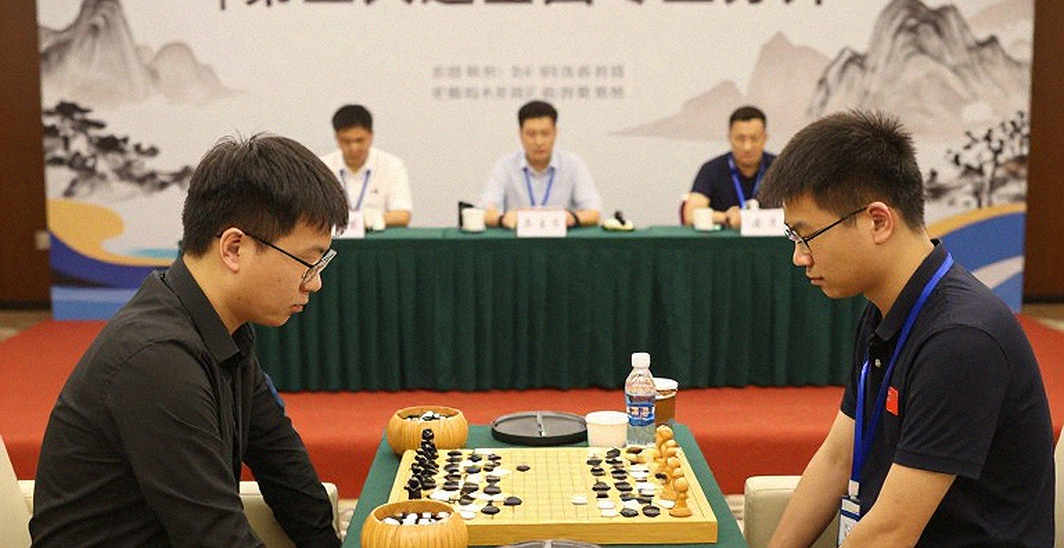
Some context must be put on the table first. PUBG is controlled by Krafton, a South Korean publisher, across all three layers: making the rules, running the tournaments, and issuing the penalties. This is fundamentally different from football, where FIFA writes the rules but an independent sports court adjudicates. Esports has no unified federation of that kind. When a controversial incident erupts, the entire system converges on a single point.
On the players' side, the management teams of Himass and TanVuu have filed appeals. The community organized a signature campaign, with a widely circulated figure of 4.1 million, demanding justice for the players. In parallel, Vietnam had just achieved its first esports milestone at the ASIAD. Two currents at once: competitive results rising, governance infrastructure lagging behind.

What stands out is how VTV3 framed the issue. They shifted the focus from "who is guilty" to "how does the system operate." This is a crucial pivot, because if the debate only revolves around whether the two players deserved the penalty, it will die out within weeks. But when it touches governance structure, it can live longer and generate real reform pressure.
If you strip away the adjectives, the data I have amounts to a few points. One: the penalty applies to all global PUBG tournaments, the harshest ceiling for a competitive ban. Two: the incident is said to have occurred at a showmatch, an exhibition with lower competitive stakes than official competition. Three: the management teams are appealing, meaning an internal review mechanism exists. Four: no disclosure has been made about the specific rule breached.
The fourth gap is the flashpoint. A penalty only carries deterrent value when the rule serving as its basis is published transparently. If the sanctioned party does not know what they violated, and the audience does not either, then the legitimacy of the penalty is put in question, regardless of how serious the actual conduct was.

I have followed many similar disputes in publisher-operated titles. The common thread: when the publisher holds all three roles, every ruling carries the whiff of a conflict of interest, even when it is entirely correct. This is a structural problem, not a question of any individual's ethics.
The showmatch detail deserves closer scrutiny. If a penalty designed for official competition is applied verbatim to an exhibition, the ratio between the severity of the offense and the punishment becomes an undefined variable. In sports law, this is called the principle of proportionality. Without it, a sanctioning system loses its measuring stick.
Pressure from the community has turned the incident into a large-scale referendum. Four million signatures signal that Vietnamese fans are no longer passive. But it is also a figure not independently verified, and a signature does not equal a technical verdict on right or wrong. On top of that, the way media frames this as a "Vietnam–Korea drama" pushes the story into a dimension of national confrontation, where emotion easily overrides process.
Here I must argue against myself. The natural tendency of a writer, and of the community, is to side with the players. We love the story of the underdog against the system. But if the violation was truly serious, for example involving competitive integrity, then the community rallying to defend before knowing the facts will backfire on them, and on the credibility of Vietnamese esports internationally.
There is a paradox few mention: the publisher's silence is inadvertently shielding the players from public judgment. If Krafton disclosed the violation details, and if those details were severe, the wave of support could reverse within hours. Secrecy both breeds resentment and keeps the story suspended in a state where anyone can believe whatever they want.
A second blind spot: we are conflating transparency with innocence. These are independent concepts. A system can be transparent and still conclude guilt. Demanding disclosure of process is a legitimate governance request, not a declaration that the players are blameless.
Finally, we must look at the gap between competitive stature and institutional capacity. Vietnam has internationally recognized players, a large audience, an ASIAD medal, and mainstream media interest. But it has no independent dispute-resolution mechanism. When results outpace infrastructure, crises like this will recur, in this title or another.
Stripping away the adjectives, I am left with one bare fact: Vietnamese fans are demanding justice for two names, while the system has yet to acknowledge that it owes an explanation. Empty pitch, empty stands, but the hearts of the fans have never been silenced.
The match is over, but the story has only just begun. What I am waiting for is not the appeal outcome, but the first time a publisher sits down and says: here is the rule, here is the process, here is the reason. When the loudest applause is the applause of belief, people only clap when they know what they are believing in.