
PUBG Asia Stars 2026: KRAFTON Apologized, But the Rulebook Was Never Written
**Câu trả lời cốt lõi:** KRAFTON xác nhận Himass và TanVuu dùng thông tin ngoài trận tại PUBG Asia Stars 2026 và thu hồi trạng thái PUBG Vietnam Partner của cả hai. Nghi vấn stream sniping liên quan streamer Hàn Quốc Soopi chưa có kết luận. KRAFTON thừa nhận chưa có quy định rõ ràng từ đầu; mức án chính thức vẫn chưa được công bố. **Dữ kiện chính:** - KRAFTON xác nhận Himass và TanVuu sử dụng thông tin ngoài trận tại PUBG Asia Stars 2026. - Cả hai bị thu hồi trạng thái PUBG Vietnam Partner trước khi có phán quyết kỷ luật chính thức. - Yoon Soo-jin, lãnh đạo PUBG Publishing, xin lỗi công khai và thừa nhận thiếu quy định rõ ràng từ đầu. - Nghi vấn stream sniping liên quan Soopi chưa có kết luận chính thức; cô tuyên bố sẽ rời game. - Tin đồn Himass bị cấm một năm chưa được KRAFTON xác nhận; kỷ luật vẫn đang được xử lý. **Nguồn:** Bài báo về PUBG Asia Stars 2026 và tuyên bố công khai của KRAFTON, tổng hợp qua phân tích chuyên sâu hai giai đoạn. | Cross-checked: VuaBong.vn **Hỏi đáp liên quan:** - H: Himass có bị cấm thi đấu một năm không? Đ: Chưa có xác nhận chính thức từ KRAFTON; đây là tin đồn lan rộng trong cộng đồng. - H: KRAFTON đã xử lý nghi vấn stream sniping của Soopi chưa? Đ: Chưa có kết luận chính thức nào được công bố. - H: Vì sao sự việc bị coi là bất đối xứng? Đ: Hai tuyển thủ Việt đã bị thu hồi trạng thái đối tác, trong khi nghi vấn phía Hàn Quốc vẫn chưa có kết luận.
In Incheon, I watched PUBG Asia Stars 2026 through a Korean replay channel, one ear open, eyes fixed on the Vietnamese chat column on the right. The final circle of match three was still running on the main screen, but nobody in that chat was talking about circle position. They were counting down. Nobody knew what they were counting down to.
A few hours earlier, Yoon Soo-jin, head of PUBG Publishing at KRAFTON, had gone on air to apologize. He admitted the publisher had not established clear regulations from the start, that communication across languages was inconsistent, and that participants had not been adequately protected once the story began to spread. A structurally complete apology. Four hours later, the Vietnamese community called it unsatisfactory.
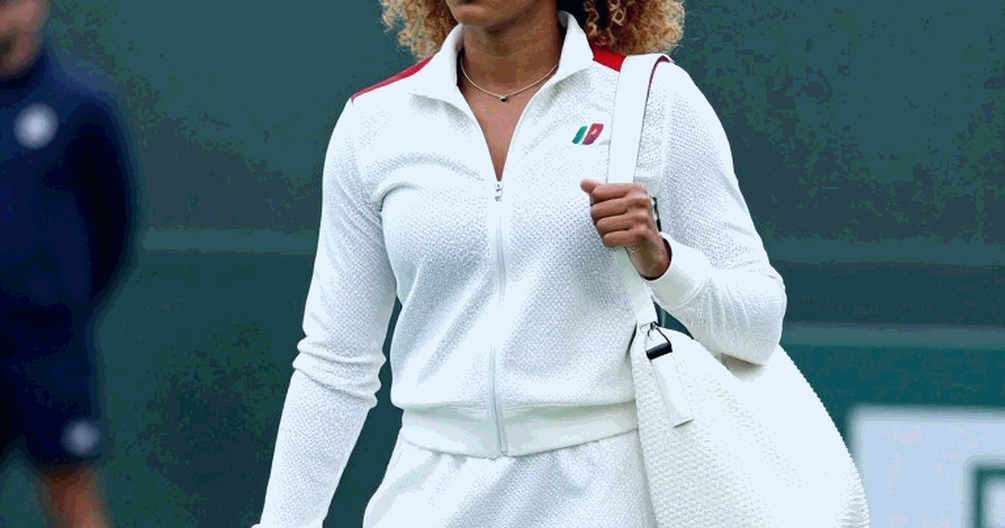
I tuned into PUBG Asia Stars 2026 to watch final circles. I stayed because what I found was not on the map.
Half the story is confirmed. KRAFTON stated that Himass and TanVuu, two Vietnamese PUBG players, used outside information during matches. Both had their PUBG Vietnam Partner status revoked. The other half is not: videos questioning whether Soopi, a Korean female streamer, monitored outside information during matches remain without an official conclusion. Soopi has said she will quit the game and demanded the publisher apologize.
Between those two ends sits a detail rarely repeated. According to the Vietnamese players' side and domestic KOLs, they asked before the tournament whether watching streams was prohibited and were told it was not. Another report describes Eddie, a third player, as collateral damage caused by a weak interpreter.
The Vietnamese side escalated in its own way. Streamers announced they were deleting the game in protest, forums flooded with questions about how the case was being handled, and the story was quickly framed as a Vietnam-versus-Korea confrontation. That framing is not factually wrong. But it pulls the story out of the scope of a pure rules dispute and turns it into a story about regional dignity.
The event is PUBG Asia Stars 2026, a cross-regional exchange-oriented tournament operated by KRAFTON itself. Competitive stakes are low. Governance stakes are very high. That is the first paradox of this story.
Based on my experience following professional PUBG matches, one thing about the battle royale genre needs to be said plainly: the stream-sniping vulnerability is an architectural flaw of the genre, not a flaw of any patch. A BR match unfolds across a large map with dozens of teams concurrently, and broadcast delay is the only barrier preventing outside information from flowing into the match. That risk is permanent. It does not disappear in the next update, and it cannot be fixed by adjusting weapons or circles.
It only becomes a disaster when the organizer does not write the rules first.
The most notable point is KRAFTON's own admission that it did not establish clear regulations from the start and did not provide clear prevention, assessment and penalty criteria. The flaw lies in governance, not in game design. When no rule existed at the moment the conduct occurred, any penalty handed down afterward can be rebutted with the same argument: on what basis?
That is the problem of retroactive discipline. A rule does not ask which region you come from. It only asks: did you exist before the conduct occurred?
The power structure here also deserves a close look. KRAFTON is simultaneously the rule-maker, the investigator and the commercial beneficiary. In traditional sports governance those three roles are usually separated, or at least an independent arbiter sits between them. Here, they are not. When two Vietnamese players lose partner status, a commercially weighted sanction applied before any formal disciplinary ruling, while the allegation against the Korean streamer remains unresolved, a sense of asymmetry appears no matter how sound the procedure may be.
Another operational detail: communication across languages was inconsistent. For a cross-regional event, that is an organizational failure. It is enough to turn an announcement into an insult, and a misunderstanding into an accusation.
Where the majority stands is where I want to reset the question. They are arguing about the penalty level. What deserves more argument is that the penalty will be handed down with no standard against which to verify it.
A rumor that Himass could be banned for one year is spreading widely. The source article itself repeats several times that this is unconfirmed and cannot be treated as official. Yet it spreads. When an unconfirmed rumor becomes the anchor for an entire wave of anger, any official ruling published afterward will be read through that lens. Information vacuums are not neutral. They are always filled by the worst available option.
There is another paradox few want to look at directly. In an exchange-oriented tournament where competition is not the primary objective, the odds that two players genuinely did not know they were doing something wrong are higher than at a world championship. That does not erase the conduct. It only shows that the real issue is who bears responsibility for the fact that they did not know.
Then there is the apology. It correctly acknowledged four shortcomings and resolved none of them. No timeline for the disciplinary announcement, no conclusion on the allegation on the other side, no draft regulation made public. In crisis governance, an apology without a timeline backfires. It confirms that the party at fault is waiting to see how the market reacts before deciding.
The community has stated clearly what it needs: a transparent handling process, especially regulations governing the use of outside information during matches. That is a ready-made roadmap, not an unreasonable demand.
The world discovered esports' governance gaps too late. I was lucky to be sitting in Incheon, where I could hear both sides at once.